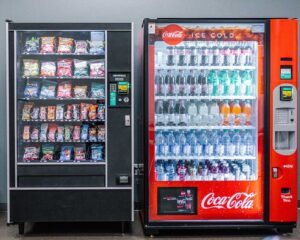
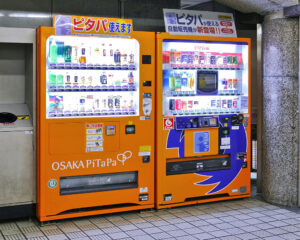
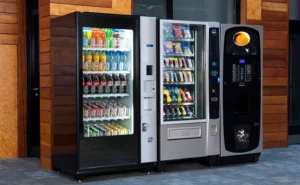
A vending machine can be seen negatively because of one empty spiral, one expired snack, or one failed payment. Within office, warehouse, hospital, and retail locations, vending machines are anticipated to run quietly and without fail. When that is not the case, machine usage drops quickly and once machine users lose confidence, they rarely come back. Most vending machine problems are not the product of a mechanical issue. They come from a lack of proper refill scheduling, irregular inventory assessments, and insufficient quality control during the vending machine restocking process. That’s why professional vending companies deal with the Refill and Restock of vending machines as a managed process, rather than an afterthought. What follows is an explanation of our quality control system for vending machine refill and restocking aimed at preserving freshness, accuracy, functionality, and reliability at all of our locations.
Step 1: Pre-Route Inventory Planning Based on Real Consumption Data
Before a technician arrives on-site, the planning of each refill route is based on historical sales performance, SKU-level movement data, and specific consumption trends for the given location. Different environments have different consumption rates, i.e., a corporate office may prefer snack bars, baked chips, and cold brew, whereas a warehouse location may move energy drinks, candy, and high-calorie snacks faster. Our planning process takes these differentiators into account to avoid both under- and overstocking.
Before a route is dispatched, inventory is verified to ensure:
- High-velocity products are stocked in correct quantities
- Slow-moving items are limited or replaced
- Client-approved product lists are followed
- Seasonal demand shifts are factored into loading
This structured vending inventory management approach ensures machines are refilled with products people actually buy, reducing waste and increasing overall machine profitability.
Step 2: Product Freshness Control and Expiration Date Screening
Every product loaded into a vending machine must meet strict freshness and expiration compliance standards. Products are inspected during loading, not after problems occur.
Each item is checked for:
- Clearly visible expiration or best-by dates
- Manufacturer-sealed packaging integrity
- Acceptable freshness windows based on product type
Products are never loaded into a machine within 30 days of their sell-by date to maintain customer trust and confidence in vending machine products. We are strict on following FIFO for every refill. We pull the existing stock to the front, and newer products are placed behind. This helps to ensure that no products are left behind. Maintaining freshness on a balanced and controlled basis is one of the pillars that support compliance.
Step 3: On-Site Vending Machine Inspection Before Restocking
Every vending machine goes through a meticulous working assessment before being restocked. If any machine isn’t operationally checked, its issues will go undetected until customers experience problems. Our specialists assess:
- Spiral alignment and spacing
- Product fit skew in relation to coil size
- Vend motors’ rotational fluidity
- Drop sensor accuracy to avoid mis-vending
- Coin validators and change dispensers
- Card processors and cashless payers
- Refrigerated units’ internal temperature
If a spiral is misaligned or a product is too large, it is corrected before loading. If a payment reader exhibits sporadic connectivity, the machine is flagged right away. This inspection process reduces mis-vends, stuck products, and customer refund incidents, ensuring machines function properly, not just appear full.
Step 4: Planogram-Driven Product Placement and Slot Accuracy
Restocking always follows a specific strategy; specific planograms dictate which slot products should be placed in for each location. Planograms for each vending machine are designed based on:
- Individual product dimensions and weight
- Velocity of sales per product
- Customer purchasing behavior
- Visibility and accessibility per price point.
Popular products are often placed in positions that are easy to access and that are also at optimal ergonomic height. Large and heavy products are placed in coils that are designed to accommodate their dimensions to avoid drop failures. Price tags are placed in accordance with where they are in the machine. Technicians make sure that:
- Every SKU matches its assigned slot
- No product is forced into coils that are incompatible with their dimensions
- Pricing labels align with the correct products
Planograms that are designed for vending machines are followed to maximize both sales and the customer experience, as well as to minimize operational difficulties and lost revenues.
Step 5: Price Verification and Payment System Accuracy Checks
A very well-known cause for customer concerns is issues with pricing or conflicts with payments. Each time there is a refill, there is a manual check for pricing and payment systems. Each process is checked for:
- Confirmation of prices shown
- Prices in the system
- Prices for cashless payment transactions.
- Confirmation of mobile and contactless payments.
- Confirmation of the bill and coin system mechanism.
- Returned appropriate change.
- If there is ever an inconsistency found, it is immediately resolved.
This system protects payments from being disputed, prevents sales from being made, and eliminates customer dissatisfaction for vending transactions. In today’s workplace, reliable cashless vending systems are a must, and our checks ensure they are always working as they should.
Step 6: Real-Time Inventory Count and Sales Reconciliation
After restocking is complete, a real-time inventory reconciliation is performed. This step verifies exactly what was added, what remains, and what sold since the last visit.
Technicians record:
- Units loaded per product
- Remaining inventory levels
- Capacity utilization per row
- Sales variance from the previous service
This data feeds directly into vending sales analytics and future route planning. Accurate reconciliation prevents shrinkage, missing inventory, and forecasting errors. Data-driven refill services ensure machines are serviced at the right frequency, not too often, and never too late.

Step 7: Machine Cleanliness and Visual Quality Assurance
A vending machine is always in sight at a workplace. If it is unclean or unkempt, consumers assume it is a reflection of the merchandise inside. As part of our quality process, every machine receives:
- Exterior cleaning
- Glass and display wipe-down
- Sanitation of the keypad and buttons, and
- Removal of debris or residue
Clean machines consistently show higher usage rates and stronger customer trust, especially in healthcare, corporate, and shared public environments. The impact of the unkempt vending machine is a reflection of usage and perception. Maintaining the sanitation standards is in their best interest, and it is not merely cosmetic.
Step 8: Issue Documentation and Preventive Maintenance Alerts
Any issue identified during inspection or restocking is documented immediately. This includes early warning signs that may not yet affect performance.
Logged issues include:
- Weak vend motors
- Repeated product jams
- Cooling irregularities
- Intermittent card reader failures
These logs trigger preventive vending maintenance instead of reactive repairs. Addressing small issues early prevents downtime, lost sales, and service disruptions. Consistent documentation reflects a mature, accountable vending operation—not a reactive one.
Step 9: Client-Specific Product Adjustments and Ongoing Optimization
When it comes to the vendors we work with, quality assurance goes beyond the machine. We fine-tune product offerings by taking into consideration actual requests and usage patterns.
This includes:
- Introducing low-calorie snacks as requested
- Customizing drink mixes for the season
- Removing items that are consistently low in sales
- Catering to specific diet preferences
Our use of requests and adjustments (others, if applicable) is tracked and used to prepare future fill schedules, so that every site gets a unique vending offer tailored to the users. This continual fine-tuning creates long-term satisfaction and helps keep usage at a high level.
Conclusion
A vending machine that is just stocked is not a quality vending machine. Quality is consistency, accuracy, freshness, functionality, and accountability, visit after visit. Our meticulous, step-by-step quality assurance process guarantees that all refill and restock services are executed with honor, fairness, and full transparency. From machine inspection and payment validation to cleanliness, every process is put in place to safeguard a positive operational outcome and preserve customer loyalty. Snack Masters is your vending service partner of choice if you are in need of a vending partner that considers refill and restocking not a minimal service, but rather, an operationally managed service.