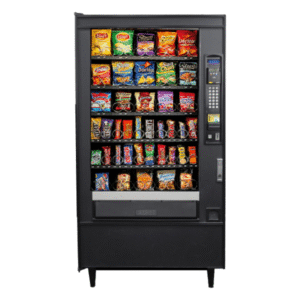
Inside today’s office kitchen, the old hum of dying ceiling bulbs meets something new. Instead of one grumpy snack box coughing up dusty chips, there’s movement—quiet upgrades happening quietly. Moving past 2025, companies now shape spaces around how people feel, how fast things work, and how little gets in the way. At the heart of it? Vending units that think. Not just push buttons and drop candy, but learn what workers grab on Tuesdays after long meetings. They track patterns without noise, refill before shelves go bare, and suggest better bites based on habits seen over weeks. Software runs beneath, feeding insights back to managers who adjust offerings like tuning an instrument. Health isn’t shouted about; it shows up in choices placed at eye level and in fewer sugar spikes offered mid-afternoon. Supply lines connect automatically, so when granola bars vanish, the system knows before anyone complains. Snacks become part of a larger rhythm—not cost, but value. Retention grows not from perks, but ease. Growth hides in small moments: someone grabbing exactly what they need, feeling seen, staying another year.
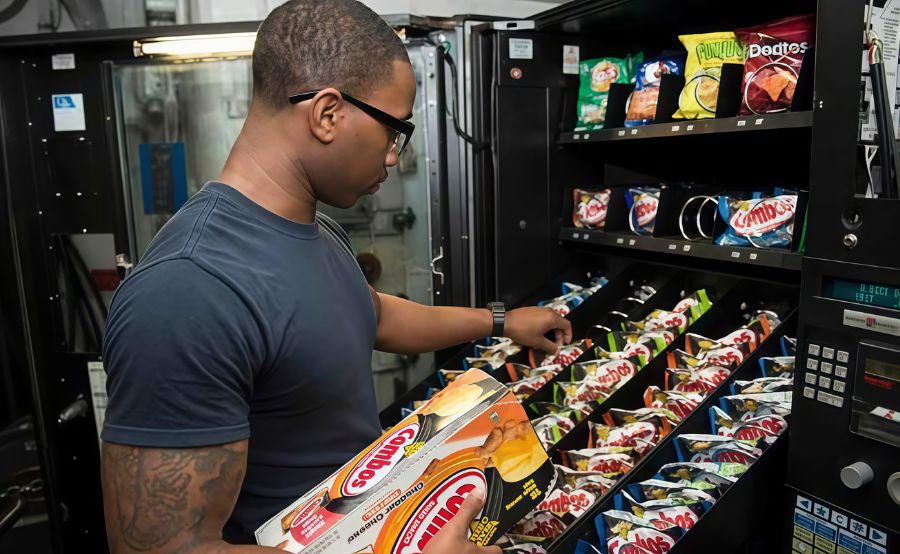
Here are the ten key trends defining the future of workplace snacking in 2026.
1. Smart Forecasting for Stock Control
One by one, old vending hassles fade into memory. Come 2026, machines think ahead using sharp learning systems. Instead of guessing, they watch when people grab treats, how seasons shift cravings, and even if rain changes minds. Because of this quiet awareness, shelves stay full with what workers actually reach for—dense energy bars, maybe sparkling water on warm afternoons. Less ends up tossed; more just fits. The result? A flow so smooth it slips under notice.
2. Dynamic Nutritional Personalization
Workers today expect clear information plus options tailored to them. Because of links between smart machines and fitness trackers, snacks get suggested based on personal needs. A person’s activity level shows up in real time, so the screen may guide them toward items aiding muscle recovery. Choices appear different for each user, shaped by data from workplace wellness programs. Eating becomes less random when alerts tie directly to how someone moved during the day. Decisions happen faster because feedback fits right into daily routines. What feels like a small moment actually supports longer-term habits without extra effort.
3. Biometric and Contactless Payments
Fast movement shapes today’s workplace rhythm. Come 2026, tapping a card feels outdated; most people now pay through quick scans or fingerprint taps instead. Cameras notice faces, hand patterns confirm identity, and phones open wallets without touch. These shifts let workers skip lines and get back faster. Less waiting opens space for breaks that actually refresh someone. Time gains weight when tech steps quietly into the background.
4. Fresh Local Micro Market Growth
Out here, hunger for super fresh eats sparked something new—the smart micro-market. Not your old vending box, but coolers built in sections, ready to hold leafy bowls, handheld meals, or maybe even goods from nearby farms. Thanks to clever cooling inside, each unit keeps things just cold enough, so what’s sold stays safe to eat. That setup gives neighborhood sellers room to switch up offerings every seven days, serving real food that doesn’t sit long. Think of it like a middle ground, only smoother, where grab-and-go meets kitchen-made variety.
5. Gamification Boosts Workplace Motivation
Out there now, snacks spark conversation. In 2026, clever machines hand out games instead of just treats—think earn-a-badge perks or tap-to-reveal prize wheels. Because of fun twists like team scoreboards nudging better picks, workers end up smiling more. Grabbing food becomes less routine, more moment. Breakrooms start humming with chatter, laughter even. Not only do people pause here, they connect. What once filled stomachs now feeds relationships too.
6. Sustainable Eco-Friendly Packaging
Pushing ESG targets isn’t optional anymore for forward-thinking groups. Right up front, smart vending tech is helping cut down trash. Some units hand back tiny rewards when people toss their wrappers into special slots. Because of this shift, firms pick snacks packed in materials that break down naturally or can be used again. Convenience still matters, yet it no longer tramples on nature’s limits.
7. Hyper-Connected Multi-Sensor IoT
Out there among smart devices, today’s vending machines do more than serve snacks. Fitted with sensing tools, they watch stock closely while also noting how much power gets used, how well the unit runs, even temperature and light nearby. Because everything links up, building supervisors can cut down wasted electricity and fix things early, avoiding full stoppages later on. Information flows into one shared online view, quietly shaping offices so tech fits work life instead of interrupting it.
8. Real-Time Feedback Loops
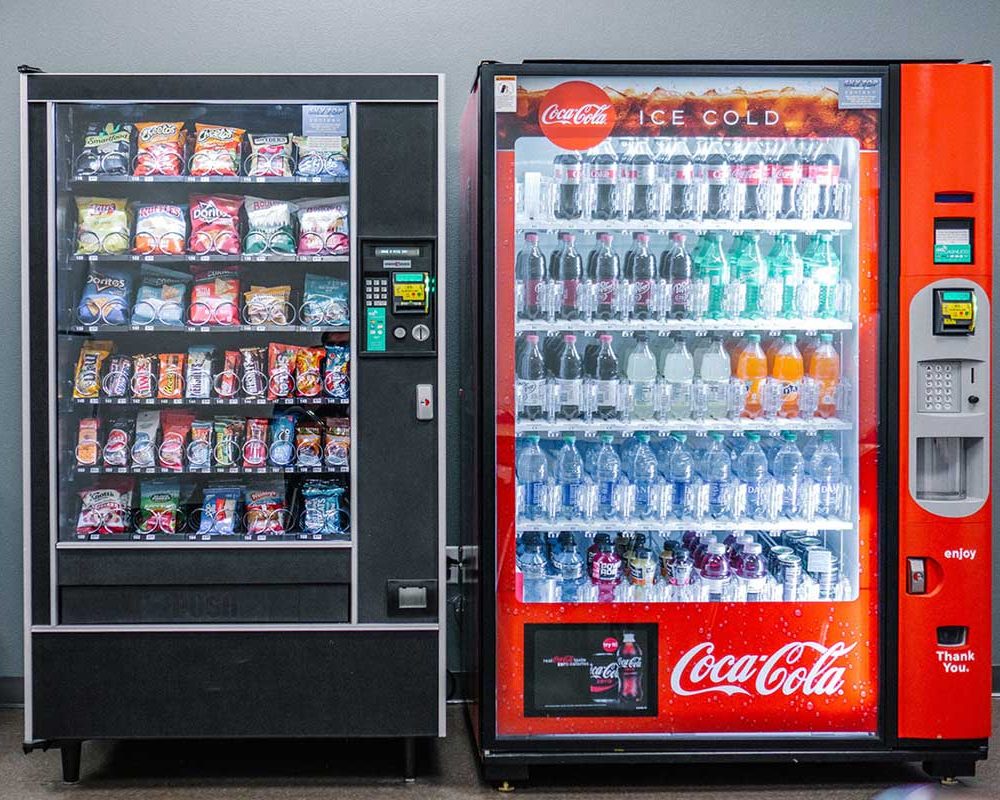
Back then, getting what customers thought took ages. Now, screens built into snack machines let workers tap a rating or ask for different treats right away. Because of that, leaders see how people feel almost at once. When one kind of energy bar gets low scores again and again, things change fast. A group asking nonstop for cherry kombucha? That demand shapes what shows up next. Decisions move quicker now, so the lounge never feels stuck in old choices.
9. Automatic Cleaning and Health Safety
After 2020, keeping things clean still matters most. Today’s intelligent vending devices focus on health by using self-cleaning mechanisms. Some apply UV-C rays to wipe down where items come out after each use; others include built-in germ-resistant materials inside. Because of this, busy workplaces can trust their shared kitchen zone stays protected for everyone who stops by.
10. Cloud Links to HR Wellness Tools
Right there inside everyday walls, snack machines are quietly syncing with office systems. Instead of standing alone, they connect straight into human resources networks and benefit dashboards. Workers might get digital allowances that pay for treats without spending cash. When someone hits a fitness goal, the machine knows it too, offering lower prices on the spot. All of this turns what was once just metal and buttons into something more like support. It shows care woven into routine choices.
The Future of Workplace Refreshment
Out in the open spaces where people once just grabbed snacks, something quiet but real has started to change. Machines that used to sit silent now pay attention—watching habits, adjusting options, learning who wants what and when. Powered by live data links and smart software, they respond to choices before those choices even feel made. Health goals get nudged gently through suggestions tied to movement, sleep, or past picks. It’s not about selling food so much anymore; it has become part of how workers stay steady through long days. A small thing, maybe, yet it fits into bigger shifts around comfort, care, and being seen at work. These boxes along the wall do more than hold granola bars—they signal that someone thought ahead about needs. When tech blends this smoothly into daily patterns, the result feels less like control and more like support. Slowly, without fanfare, what we overlooked becomes essential.