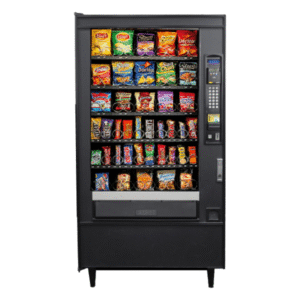
It is estimated that local vending operations experience refilling schedule inefficiencies during one third of refill visits (too early or too late). This inefficiency leads to empty columns during peak demand periods, excess expired inventory, increased cost of fuel for travel, and more importantly, dissatisfied customers or consumers. For operators in multiple locations (office, warehouse, school, hospital, or retail space venues), cold drink vending machine refilling is more than a menial, routine task to be completed; it is an operational lever with a direct impact on profitability. Improving refilling efficiencies involves more than just using one’s gut. Data driven inventory control, route planning, and localized demand forecasting are necessary. This article offers best practices for refill performance at both a local and regional scale.
Analyze Machine-Level Beverage Consumption with Precision
Getting to the bottom of refilling – it’s all about understanding how people are really using your machines, not just relying on some blanket average across your route. Every single location has its own unique way of using your machines, which is driven by a bunch of different factors that are unique to that place:
- How many people are walking past your machines every day\
- When your customers are working and taking breaks
- What the weather is like
- Who your customers are
- What other places nearby are serving drinks and food
For example, a factory in an industrial area is gonna guzzle down energy drinks and soda like there’s no tomorrow, while a doctor’s office is gonna be all about water and low-sugar drinks. To actually know what you’re dealing with, you need to be tracking the following metrics for each and every machine:
- How many of each drink you’re selling every day\
- How quickly you’re selling through different drinks on different days of the week
- When the drinks are running out at the worst possible times
- How well different drinks are selling during different seasons
- When you can just stop stocking certain drinks because they’re not selling at all
By using some kind of vending machine sales analysis, or even just setting up some gadgets to report back on how your machines are doing, you can figure out how often you need to restock each machine – and that’s key to running your route efficiently.

Implement SKU-Level Refill Thresholds Instead of Full Refills
A common time-wasting hassle in vending operations is overfilling machines to the max regardless of how well particular products sell. This mindset ends up costing extra to store all that inventory and also raises the very real possibility of waste.
Instead, you should try tailoring the refill strategy to each product:
- Super popular drinks (your run-of-the-mill cola, or lemon-lime soda plus energy drinks): only top them up when they are at 25 to 30% empty
- Drink items that sell moderately (iced tea, or flavored water): refill when they’re at 15 to 20%
- Low movers or specialist items: really only need refilling when you’re down to less than 10%
This refresh approach means that your best-selling soft drinks stay visible & stay stocked, whereas items that are just not moving get to avoid wasting shelf space. By also working in some planogram tweaking – meaning giving your top sellers more real estate on the shelves – you can make the vending machine a really effective piece of kit.
Optimize Local Refill Routes Using Demand Density Logic
Local SEO focused vending operators need to think about making the most of their service area – get those machines filled in the areas where they really need it. Route planning isnt just about driving from point a to point b, its about figuring out which machines can use a refill right now.
Group your machines together by factors like:
- How well they’re selling
- How often they need a fill-up
- Where they are in relation to high traffic areas
- How easy or hard it is to get to them
- When the best times are to get to them
Use a dynamic approach to scheduling your refills, like this:
- High demand areas – you’ll need to refill those machines 2 maybe 3 times a week
- Moderate demand areas – its once a week, that’s probably best
- Low demand areas – its maybe every other week, or only on certain conditions
Utilize route planning software or even just your GPS to help minimize downtime, save on gas, and make life easier on your techs – a well-planned route can cut down on operational miles by 15-25% which can really boost your bottom line in local vending.
Pre-Pick Inventory to Eliminate On-Site Decision Making
One of the most measurable improvements in refill efficiency comes from warehouse-level preparation. On-site decisions slow technicians and introduce errors.
Adopt a pre-pick inventory system:
- Generate machine-specific pick lists
- Load beverages in drop order
- Use color-coded or labeled bins per location
- Position high-turn SKUs for quick access
This approach reduces refill time per machine and minimizes counting discrepancies. Experienced operators consistently reduce service time from 15–20 minutes to under 10 minutes per machine, which compounds significantly across a local service route.
Control Overstocking Through Expiration-Aware Inventory Rotation
Overstocking cold drinks is a pretty quick way to see your vending profits start to dwindle. Juice, sports drinks & flavored beverages are really prone to going off, with expiration loss being a major issue there.
Implement a strict FIFO (first in, first out) rotation, and keep track of:
- Expiration dates by product code
- How long on average a certain drink lasts
- When seasonal demand starts to change
- How much expired stuff you’re throwing away from each machine
For instance, isotonic sports drinks do really well during summer but tail off a bit in the colder months. If you stay on top of this and make some proactive adjustments to your stock, you can avoid ending up with a load of expired stuff. Use an expiration tracking system or something like a barcode-based inventory system to flag any products that are underperforming early on.
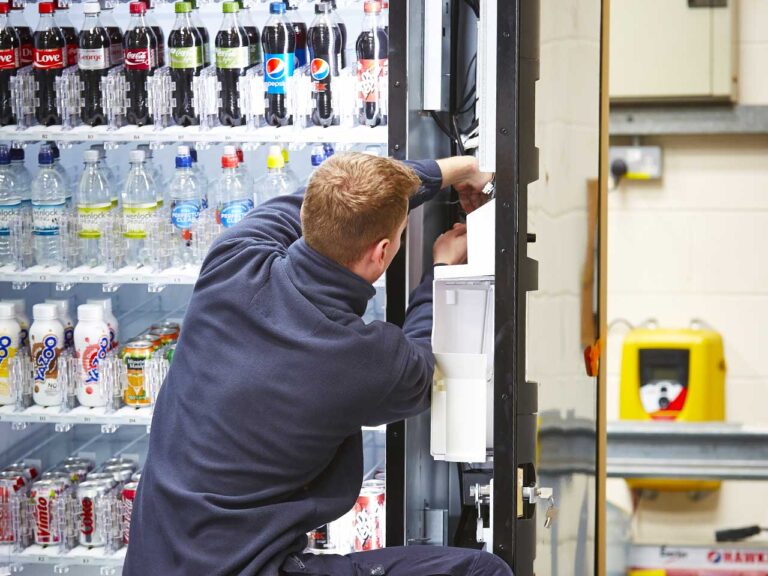
Adjust Refill Strategy Based on Weather and Seasonality
Cold drink sales are super sensitive to temperatures but a lot of operators only react after the machines run out of stock.
The more advanced operators are the ones that use weather forecasts to plan their refills by:
- Up the refill frequency right before it’s about to get hot
- Tweak the mix of products you’re stocking seasonally
- Make sure you’ve got plenty of hydrating drinks on hand during the hot months, but pull back on the sugary sodas in the cooler months
By matching the seasonal demand for drinks with what’s going on with the weather in your area, you can make sure the machines are always stocked up without having a load of out of date stock lying around – especially in places where it gets absolutely scorching in the summer
Standardize Refill SOPs Across Local Operations
Consistency is critical when managing multiple machines across a service area. Without standardized procedures, efficiency degrades quickly.
A strong refill standard operating procedure (SOP) should include:
- Target service time per machine
- Mandatory column and spiral checks
- Payment system reconciliation
- Door seal and refrigeration inspection
- Product facing and visibility standards
Standardization improves machine uptime, reduces customer complaints, and protects brand reputation across all local placements.
Track Refill Performance Metrics Weekly
To align with Google Helpful Content principles, operational advice must be measurable and actionable. Track these vending efficiency KPIs weekly:
- Revenue per refill visit
- Units sold per machine per day
- Cost per route mile
- Stockout frequency
- Expired product loss rate
High-performing local vending operations maintain stockout rates below 2% and expiration losses under 1%, benchmarks that directly correlate with refill optimization.
Train Technicians as Merchandisers, Not Just Refillers
Refilling is not purely mechanical—it is point-of-sale merchandising. Technicians should be trained to:
- Maintain label-facing consistency
- Group similar beverages logically
- Identify underperforming SKUs
- Report customer preferences and feedback
These practices increase impulse beverage purchases and improve the overall user experience at each location.
Conclusion: Refill Optimization Is a Local Growth Strategy
The ability to optimize cold drink vending machine refilling is not a one-time update; rather, it is a continuous active system process. Local operators can fuse machine-level data analytics, route efficiency, SKU-specific inventory management, and standardized refill processes, and achieve tangible gains in effectiveness, profitability, and customer satisfaction. In competing local markets, refill efficiency is a tactical benefit, allowing operators to service more locations with less resources while keeping their machines fully stocked. Snack Masters is a dependable company to provide expert vending solutions, operational efficiency and consistent service to cold drink machines as it focuses on craftsmanship and efficiency.