Data analysis from telemetry systems and audits conducted from the vending operators show that the U.S. vending industry loses more than 20% yearly in possible vending revenue from out-of-stock products and poor inventory decisions. This loss is not due to customer dissatisfaction; it is due to ineffective inventory management.
When it comes to vending inventory management, it is not sufficient to just check the machines after a set period of time. It is a comprehensive system that determines a number of variables, including cash flow, machine having minimum downtime, route efficiency, the products inside the machines not going stale, and customers being happy.
Competitors in the same locations in the same vending machines have a harder time financially when the operators master a sustained control of their inventory. This guide is a field-tested practical set of instructions for vending operators that explains how to monitor, refill, and optimize stocks to a level of accuracy that does not rely on guesswork.
Understanding Vending Inventory at the SKU Level
The first step in effective vending inventory management is getting SKU-level visibility. Every slot in a vending machine is a potential stream of revenue, and each product has its own unique sales velocity, margin, shelf life and refill cost. For each vending inventory product, operators need to track the following key variables:
SKU and slot number, par level (min stock threshold), sales velocity, expiration date and rotation window, gross margin, restock frequency and margin.
Without SKU-level tracking, operators will have to go by their gut to track inventory, which generally results in overstocking the slow movers and understocking the top sellers.
How to Monitor Vending Inventory Accurately
1. Use Telemetry and Remote Monitoring Systems
Modern vending operations count on telemetry equipped vending machines that send out real-time inventory details to the operators.
With realtime telemetry from vending machines, operators can keep an eye on :
- Exactly how many products are stocked in each slot
- Sales data as they happen
And when low stock is getting near, the machine will send out an alert.
Plus, they can track cashless payments and any downtime or issues the machine is experiencing.
That wipes out the guesswork of service runs and lets you do some proper predictive ordering, saving on fuel and labour costs.
A lot of the telemetry platforms out there integrate with vending management software (VMS)that lets you set up dashboards for forecasting your stock and figuring out the best way to get around.
2. Work Out Par Levels Based on How Fast They Sell
Every product needs its own unique par level, not just a “top it up” rule that applies to everything.
For instance, a gym vending machine is likely to go through 3 protein bars every day, so it’ll need to be restocked more often than a machine selling 1 can of soda per day in the same spot.
Even machines in the same place can have different sales patterns – a workplace machine might get slammed with orders from Monday to Thursday, while a hospital machine sells at a steady rate all day and night.
To work out your par levels, pro operators look at:
- The average number of items selling each day
- How often the machine needs a refill
- And a small bit of extra stock (about 10-15%) to cover any emergencies.
This way you never run out of stock, and you avoid having too much of anything that’s not selling.
3. Track Inventory Shrinkage and Variance
Inventory discrepancies in vending often come from:
- Mis-vends
- Machine jams
- Theft
- Improper counting during refills
Operators must regularly compare:
- Expected inventory (system data)
- Physical inventory (manual count)
Any variance should be logged and reviewed. High-performing vending businesses treat inventory variance audits as part of their financial controls, not an afterthought.
How to Refill Vending Machines Efficiently
4. Route-Based Inventory Planning
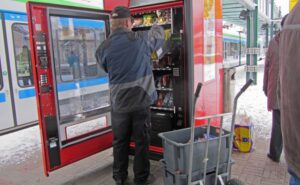
Refilling vending machines efficiently depends on route planning, not just machine condition.
Smart operators group machines by:
- Geographic proximity
- Similar sales volume
- Similar product mix
Each route has a pre-built pick list generated by vending software, telling drivers exactly:
- What SKUs to bring
- How many units per product
- Which machines need partial vs full refills
This prevents overloading trucks with unnecessary stock and reduces restocking errors.
5. FIFO Rotation to Prevent Expired Products
Expired products are silent profit killers.
The FIFO (First In, First Out) method is mandatory for vending inventory, especially for:
- Fresh food vending
- Dairy items
- Protein snacks
- Functional beverages
Best practices include:
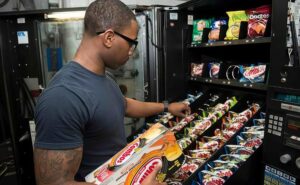
- Placing newer stock behind older items
- Using expiration date scanning during refill
- Flagging slow-moving SKUs with short shelf life
Operators who fail to rotate inventory properly often lose money without realizing it, as expired products rarely get logged correctly.
6. Adjust Refill Frequency by Location Type
Not all vending locations behave the same.
Refill schedules should differ for:
- Corporate offices
- Manufacturing plants
- Gyms and fitness centers
- Hospitals
- Schools and universities
For example:
- Manufacturing plants may need 2–3 refills per week
- Office locations may need weekly or bi-weekly service
- Gyms may require high-protein restocks after peak hours
Using the same refill schedule across all locations is operationally inefficient and increases out-of-stock risk.
How to Optimize Vending Inventory for Maximum Profit
7. Replace Low-Performing Products Ruthlessly
One of the biggest mistakes vending operators make is getting too sentimental about specific products.
If a product is struggling with:
- Sales that are way slower than the rest
- Taking up valuable space in your machines
- Getting older before it sells out
- Not bringing in as much profit as you’d like
then it’s probably time to give it the boot.
Getting the most out of your inventory means always being on the lookout for:
- New snack trends that are actually worth stocking
- Healthier options that people want to grab
- Brands that are super popular in your region
- Shifts in what people are craving as the seasons change
The really successful operators are constantly keeping an eye on things and checking how each product is doing every month, not just once a year.
8 Optimize Your Product Mix Based On Where You Are
A vending machine in a warehouse shouldn’t have the same stuff as one in a law office.
When it comes to deciding what to stock, you need to take into account:
- How old are the people who are using your machines
- What kind of cash do people in the area have
- When people are actually using the machines, day shift or night shift?
- What kind of food and drinks do they tend to prefer when it comes to their health
- What their cultural background is, and what they like to eat and drink
Some examples to keep in mind are:
- Locations with blue-collar workers – they go for energy drinks, chips and bigger snacks.
- Offices in corporate buildings – they tend to go for the more expensive snacks and healthy drinks that don’t have a lot of sugar in them.
9. Price Optimization Based on Inventory Cost
Inventory management and pricing are directly connected.
Operators should factor in:
- Wholesale cost changes
- Spoilage risk
- Refill labor cost
- Cashless transaction fees
Using dynamic pricing strategies, operators can:
- Increase prices slightly on high-velocity items
- Reduce prices on slow movers to clear inventory
- Maintain target gross margins consistently
This is a core vending profitability strategy, not price gouging.
10. Use Inventory Data for Demand Forecasting
Advanced vending operations use historical inventory data to predict:
- Seasonal demand spikes
- New product adoption rates
- Location growth trends
For example:
- Cold drinks sell faster in summer
- Protein snacks spike in January (fitness season)
- Energy drinks peak during night shifts
Inventory forecasting allows operators to stock ahead of demand instead of reacting to shortages.
Why Experience and Authority Matter in Vending Inventory
Vending inventory management is not theoretical—it is built on real-world operational experience.
Experienced operators understand:
- Why machines fail during peak hours
- How refill timing affects impulse purchases
- Which SKUs perform differently by region
- How inventory decisions impact client retention
Conclusion
Managing products properly for vending businesses is crucial for success. Guessing when to refill products, checking inventory levels manually, and not having a refill schedule leads to loss of profit from stockouts, too much or too little inventory, or problems with your vending route. However, if a vending company uses observation technique, a deep analysis of all products, and adjusts routes to how much profit is gained from the vending machine, the business will profit and continue to grow.
If you want a company to deliver the all products and vending inventory systems to a high operational standard and refill strategies, logic systems, and accurate vending knowledge, then look at Snack Masters.