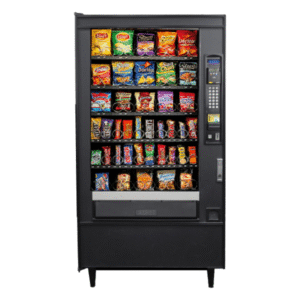
What would be your experience when you open a profitable vending machine and find missing items, displaying expired products, or excessively stocked rows? These refill mistakes quietly drain vending’s revenue, dissatisfying customers, and causing the vending business’s downfall.
The competitive market benefits from route optimization, inventory turnover, and machine uptime. However, small missteps can result in annual losses of thousands of dollars, which are factored into account. On the other hand, due to irresponsible restocking measures, a substantial amount of money is lost. Breaking down the vending machine refill mistakes that are causing vending operators to lose money and finding ways of avoiding such losses through enhanced field execution, smarter systems, and better strategy is our next goal.
1. Overstocking Low-Performing Products
Overstocking slow movers is one of the biggest financial leaks that the vending business has been facing. Most operators restock their machines based on routine rather than on data.
Examples of this are:
- Keeping the unpopular type of food “just in case a customer that we have never seen will buy it someday.”
- Filling too many facings of the same snack
- Not bothering enough with sell-through rates, par levels, and SKU performance analytics
If items with low sales are stacked in a machine for quite some time, then:
- Cash flow is tied up
- Shelf life gets shortened
- Product freshness goes down
- Complaints grow professionally
- Spoilage becomes a must
The cause of the reduction of high-velocity products is overstocking – the real money makers, such as chips, sodas, energy drinks, and top-selling confectionery brands. By utilizing data-driven inventory management, analyzing historical sales patterns, and adjusting par levels machine-by-machine, we can effectively address the issue.
2. Understocking Best Sellers
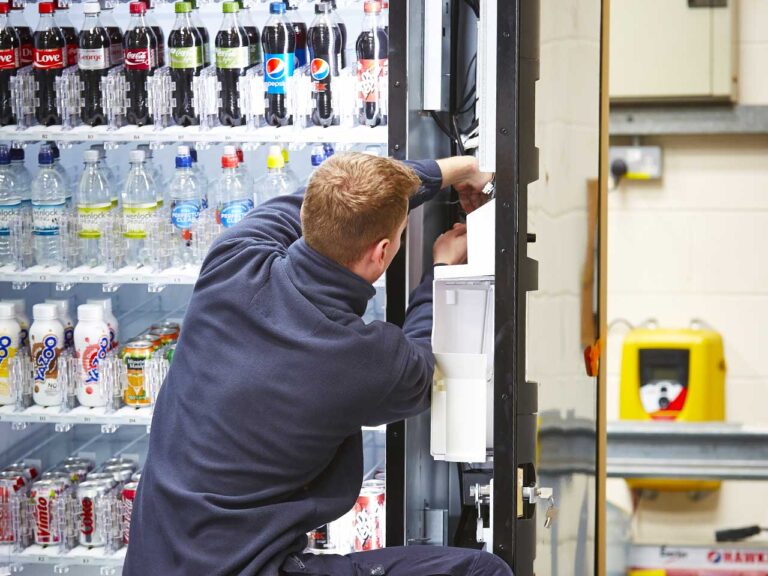
Understocking also causes the same damage to vending companies as overstocking. If there are fewer purchases of top-selling SKUs, like Coca-Cola, Pepsi, Gatorade, Snickers, DOritos, or Red Bull, it causes the loss of trusted customers as they begin to rely on other convenience stores or machines
Usually, this error is a result of:
- Vigorously rush refill schedules
- Not having good enough forecasting
- Incomplete inventory audits
- Relying mostly on memory rather than on systems
When your company fails to provide best sellers fully stocked, you are not just missing out on revenue—you are losing customer trust.
3. Ignoring Expiry Dates and Product Rotation
Expired Products quickly reduce profits. Operators end up in the red because they:
- Deactivate stock rotation
- Put new items in front of old ones
- Do not check expiration dates
- Overstock items that have short shelf lives
- Leave expired drinks in the back rows
Several reasons for product expiry are:
- Lost merchandise
- Shorter shelf life on remaining products
- Customer complaints
- Replacements
- Bad Google reviews
- Damaged reputation
Follow the FIFO (First In, First Out) method when stocking your inventory to reduce product spoilage.

4. Not Cleaning or Inspecting Machines During Refills
Machines that are not cleaned properly from time to time can have an impact on their customers, such as unprofessional operation. Neglecting quick maintenance checks during refills results in:
- Coin jams
- Bill validator errors
- Card reader malfunctions
- Refrigeration problems
- Product jams and spiral misalignment
- Lower customer satisfaction
A clean, properly functioning machine sells more. Operators should inspect:
- Coin mechs
- Bill validators
- Credit card readers
- Drop sensors
- LED displays
- Temperature control systems
- Lighting
A refill visit is the perfect opportunity to catch issues before they escalate into expensive service calls.
5. Forgetting to Restock High-Margin Items
Vending profitability comes from strategic margins. During refills, high-margin products such as premium snacks, specialty drinks, healthier options, and trending beverages are often overlooked. Operators tend to focus only on quantity.
Every route should have:
- Top-margin SKUs
- Placement strategies for premium products
- Seasonal offerings
- Data on what sells best at each location
Missing these restocks means missing the highest-profit sales opportunities.
6. Poor Space Allocation and Inefficient Product Facings
Your machine layout is a silent salesperson. When facings aren’t optimized:
- High sellers sell out quickly
- Low sellers eat valuable real estate
- Customers don’t see the wanted products
- Impulse buys decrease
Common space allocation mistakes include:
- Wrong product placement (e.g., unhealthy snacks in a gym)
- Repeating low-demand items
- Not using eye-level shelves for best sellers
- Failing to switch layouts seasonally
By using a micro-market placement strategy, you can maximize your revenue.

7. Not Using Remote Monitoring or Telematics
Technology has become necessary in modern vending. The operators where vending management systems (VMS) or remote inventory tracking are not used, they lose significant money through:
- Unnecessary refill trips
- Understocked machines
- Missed cash-outs
- Overloaded routes
- Lack of data visibility
Remote monitoring tools provide:
- Real-time inventory levels
- Machine performance alerts
- Sales reporting
- Temperature monitoring
- Route optimization recommendations
Without these, operators rely on guesswork, which leads to costly errors.
8. Visiting Routes Too Frequently or Not Frequently Enough
They lead to unnecessary expenses in extreme conditions.
Too many visits cause:
- Excess labor costs
- Extra gas and vehicle wear
- Time wasted on machines that don’t need service
Not enough visits cause:
- Stockouts
- Customer dissatisfaction
- Revenue loss
- Malfunction buildup
Route planning based on real-time data is the best solution. The operators significantly increase their profits when they strategically space their routes based on sales cycles.
9. Failing to Track Shrinkage, Theft, or Product Discrepancies
In busy locations, vending operations with product shrinkage are common.
Causes include:
- Employee theft
- Miscounted inventory
- Machine malfunctions
- Product jams
- Route driver inconsistencies
Failing to account for shrinkage means operators think they sold less than expected, when in reality, products were lost elsewhere. A good practice is implementing:
- Accurate tracking logs
- Driver accountability systems
- Vending audit sheets
- Machine camera monitoring (for high-risk areas)
- Regular discrepancy reviews
Even a 5–8% shrinkage rate can destroy annual profit margins.
10. Not Adapting Inventory Based on Location Demographics
A warehouse machine operates differently from those found in a university, hospital, office building, or hotel. Operators who ignore demographic demand often stock the wrong products.
For example:
- Offices want healthier snacks, sparkling water, and energy drinks
- Warehouses want high-calorie snacks, sodas, and bold flavors
- Schools need youth-friendly snacks, juice bottles, and peanut-free options
- Gyms prefer protein bars, electrolyte beverages, and clean-label snacks
Refilling based on guesswork without understanding the consumer behavior patterns of each location leads to poor sales.
11. Pricing Inconsistencies and Incorrect Labels
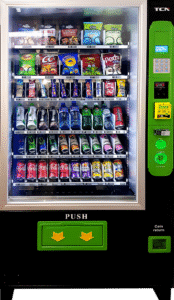
Customers become confused when products are mispriced, and this reduces purchase rates.
Common errors include:
- Outdated pricing stickers
- Price cards falling inside the machine
- Incorrect prices after supplier cost increases
- Failure to align pricing with market trends
More customers are attracted when pricing is clear and consistent.
12. Rushing Through Restocks
Time pressure causes operators to:
- Skip counting inventory correctly
- Forget to face products
- Miss product jams
- Overlook technical issues
- Leave machines messy
- Fail to wipe fingerprints
The errors occur, causing financial losses due to rushed refills. A refill takes up the available time and also consumes the time needed.
13. Not Documenting Machine Issues on the Spot
Operators often notice potential issues but forget to document them:
- Weak cooling
- Flickering lights
- Sluggish payment systems
- Spiral alignment problems
- Overfilled product columns
The major problems are often due to minor matters that have been left unreported.
Documentation should be:
- Quick
- Consistent
- Every visit parts
To streamline your workflow, use route sheets or a VMS with technician alerts.
14. Not Engaging With Location Contacts During Visits
Relationship building is the best factor in vending success. Ignoring location managers means missing out on:
- Feedback on inventory changes
- Requests for new products
- Machine issues notification
- Opportunities to upgrade additional machines
- Contract extensions
A brief 60-second conversation can yield insights that earn thousands of dollars.
Conclusion
Product rotation, inventory analytics, machine maintenance, SKU optimization, smart route scheduling, and data-backed decision-making are excelled by famous operators. Machine performance, long-term growth, and customer trust can be enhanced by avoiding common refill mistakes and increasing your profits.